
CFD Analysis of Atrium Fire & Smoke Ventilation | RSET & ASET
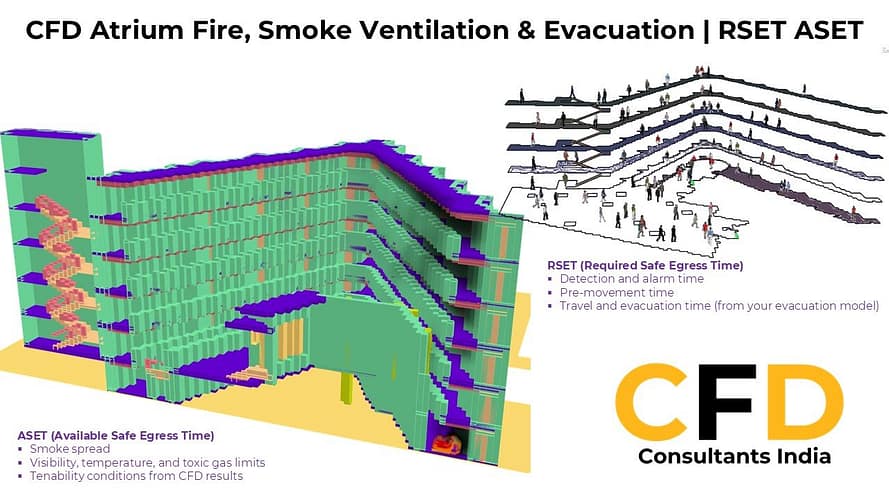
Project Overview
Large atriums are a common architectural feature in commercial, mixed-use, and public buildings across the Middle East, UK, and India. Due to their large volumes, open vertical geometry, and high occupant loads, atriums present complex challenges for fire safety, smoke control, and evacuation design. Prescriptive code-based methods are often insufficient to accurately represent fire and smoke behavior in atrium spaces. Therefore, a performance-based fire engineering approach was adopted for this project. This case study presents a combined CFD fire and smoke ventilation analysis together with evacuation (RSET) analysis, carried out to demonstrate that occupants can safely evacuate the atrium before tenability limits are exceeded.
Scope of Analysis
The assessment included the following key components:
– CFD fire and smoke modeling of the atrium using Fire Dynamics Simulation (FDS)
– Smoke propagation and smoke layer development analysis
– Evaluation of natural and mechanical smoke ventilation systems
– Tenability assessment to determine Available Safe Egress Time (ASET)
– Evacuation modeling and Required Safe Egress Time (RSET) analysis
– Comparison of RSET vs ASET as part of a performance-based justification
Applicable Codes and Standards
The methodology was aligned with internationally recognized guidance commonly accepted by authorities in the target regions, including:
– BS 7974 and supporting Published Documents (UK)
– BS 9999
– NFPA 92 – Smoke Control Systems
– NFPA 101 – Life Safety Code
– UAE Fire & Life Safety Code of Practice
– Saudi Building Code (SBC)
– NBC India 2016 (Performance-Based Approach)
– SFPE Engineering Guide to Performance-Based Fire Protection
Design Fire Scenario
A credible atrium design fire scenario was developed considering:
– Fire load density and occupancy type
– Fire growth rate and peak Heat Release Rate (HRR)
– Fire location within the atrium
– Activation sequence of smoke exhaust and make-up air systems
– Worst-case ventilation and boundary conditions
The CFD model captured buoyancy-driven smoke plume behavior, interaction with architectural features such as balconies and voids, and the response of the smoke ventilation system.
CFD Smoke Propagation Analysis
The CFD results provided detailed visualization and quantitative assessment of smoke movement within the atrium, including:
– Vertical smoke rise due to buoyancy
– Formation of a hot smoke layer beneath the atrium roof
– Lateral smoke spread across upper levels
– Interaction of smoke with façade openings and internal geometry
This analysis allowed accurate prediction of smoke accumulation and descent over time.
Smoke Ventilation System Performance
The effectiveness of the atrium smoke control strategy was evaluated by analyzing:
– Mechanical smoke exhaust fan performance
– Natural smoke ventilation (where applicable)
– Distribution and velocity of make-up air
– Smoke layer height relative to occupied zones
CFD results demonstrated that the smoke ventilation system effectively limited smoke descent and maintained tenable conditions at occupant level during the critical period.
Tenability and ASET Assessment
Tenability criteria were evaluated using CFD outputs, including:
– Visibility at occupant level
– Gas temperature
– Concentration of combustion products
Based on these criteria, the Available Safe Egress Time (ASET) was determined for the atrium space.
Evacuation and RSET Analysis
An evacuation analysis was carried out to determine the Required Safe Egress Time (RSET). The evacuation model considered:
– Occupant load and distribution
– Travel distances to exits and stairs
– Exit widths and flow capacities
– Pre-movement and response times
– Interaction with architectural features such as balconies and bridges
The evacuation simulation identified evacuation flow characteristics, congestion points, and total evacuation time.
RSET vs ASET Comparison
The comparison of RSET and ASET demonstrated that ASET exceeded RSET with an adequate safety margin, confirming that occupants can safely evacuate the atrium before tenability conditions are compromised. This comparison formed the core of the performance-based fire safety justification.
Performance-Based Fire Engineering Outcome
The combined CFD fire, smoke ventilation, and evacuation analysis confirmed that:
– Smoke propagation within the atrium is effectively controlled
– The smoke ventilation system supports safe evacuation
– Occupant tenability is maintained throughout the evacuation period
– The atrium design meets performance-based fire safety objectives
– Prescriptive code limitations are addressed through engineering analysis
The study provided robust, visual, and quantitative evidence suitable for authority submissions and third-party review.
Why Combined CFD and Evacuation Analysis Is Essential for Atriums
A combined approach allows designers to:
– Accurately assess fire and smoke behavior in large open spaces
– Quantify available and required egress times
– Optimize smoke ventilation and evacuation strategies
– Support performance-based approvals
– Achieve safe and cost-effective fire safety solutions
Our Services
– Atrium CFD fire and smoke analysis
– Smoke control and ventilation CFD modeling
– Evacuation modeling and RSET analysis
– ASET determination based on tenability criteria
– Performance-based fire engineering studies
– Authority submission and approval support
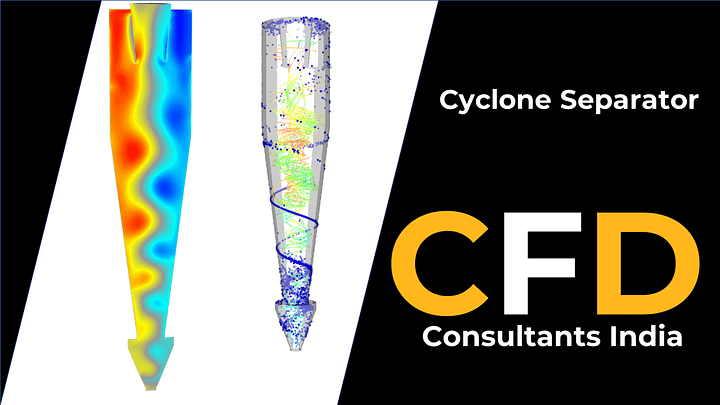
Read out how CFD analysis improves the separation efficiency of cyclone separators. Learn how the study identifies flow patterns, particle trajectories, and proposes design modifications for enhanced performance.
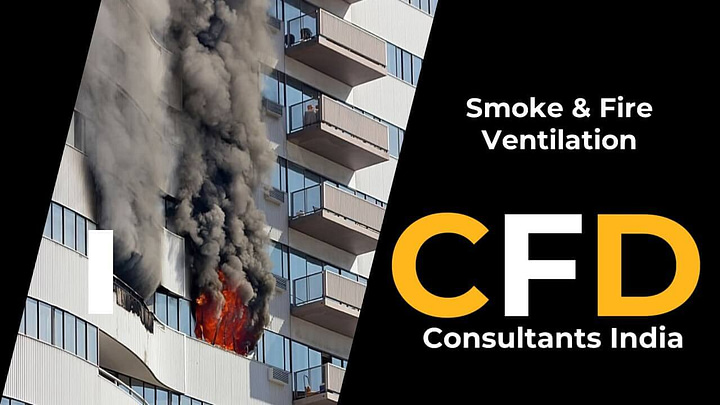
Ensure the safety of occupants, compliance regulations with CFD analysis for fire and smoke ventilation systems in the event of fire & smoke.
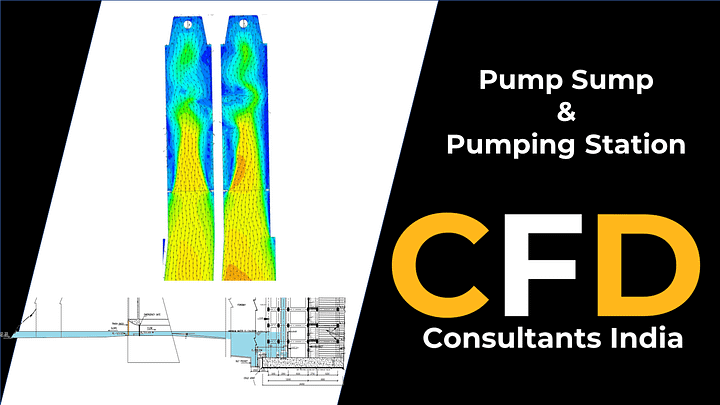
Enhance the performance of your pumping system with CFD analysis of pump sump and pumping station. Discover how to improve flow uniformity, prevent vortex formation, and enhance pump efficiency for optimal operation.
Let's stay in touch!
To get recent updates, stay connect us on our LinkedIn page! Don’t hesitate to reach out to us for any questions, concerns or future collaborations
Contact Us
We are here to help! With just a quick input details we will be able to respond to your inquiry.
E-Mail: info(at)cfdconsultantsindia.com

CFD Consultants India a leading provider of CFD simulation consultation and services. We use finite volume computation technique to predict the flow behavior using various commercial CFD software’s. At CFD Consultants India, we understand the importance of accurate and reliable CFD simulations in the design and development process. With years of experience and expertise in the field, we offer customized solutions to meet your specific requirements and help you achieve your goals.
Whether you are looking to optimize your product design, improve performance, reduce costs, or enhance safety, CFD Consultants India can help. Contact us today to learn more about our services and how we can help you achieve your goals.
© Copyright CFD Consultants India 2023 | All rights reserved.