
With the rapid urban development across major metropolitan cities such as Pune, Mumbai, and Delhi, commercial office buildings are becoming taller, denser, and more technologically advanced. Modern offices now house thousands of occupants along with heavy electrical systems, HVAC machinery, IT infrastructure, and battery storage units. While these developments improve productivity and business operations, they also significantly increase fire risk. In such complex environments, ensuring safe evacuation during emergencies has become a critical component of building design and fire safety engineering.
Evacuation analysis plays a key role in understanding how occupants move during emergency scenarios, helping engineers and building owners design safer structures that can effectively handle worst-case fire situations.
Growing Fire Risks in High-Density Office Environments
Commercial buildings today operate with high energy consumption and continuous equipment usage. Electrical faults, overheating machinery, short circuits, or even pantry-related incidents can quickly develop into fire hazards. In high-rise buildings where thousands of people work daily, even a small fire can create dangerous conditions due to smoke spread, reduced visibility, and panic-driven movement.
Traditional fire safety design often relies on standard code-based assumptions for exit widths and evacuation time. However, these simplified calculations do not reflect real human behavior, congestion effects, or interaction between large groups of occupants. As a result, evacuation analysis has emerged as a modern engineering approach to realistically evaluate emergency egress performance.
Understanding Evacuation Analysis and Its Role in Fire Safety
Evacuation analysis is a simulation-based technique that models human movement within a building during emergency conditions. It digitally represents occupants, exits, corridors, staircases, and evacuation routes while considering realistic walking speeds, behavioral responses, and congestion effects.
By running time-based simulations, engineers can accurately determine how long it takes for all occupants to safely exit the building, where bottlenecks may form, and whether the available escape routes are sufficient. This performance-based approach provides a much more reliable assessment compared to traditional hand calculations.
Life Safety as the Core Objective of Evacuation Modeling
The primary purpose of evacuation analysis is to protect human life. During fire incidents, fatalities often occur not because of direct flame exposure but due to smoke inhalation, reduced visibility, delayed escape, and overcrowded exit paths. Evacuation simulations help identify these potential hazards before a building is occupied.
By analyzing evacuation behavior, engineers can optimize exit placements, increase stairwell capacity where necessary, and ensure that escape routes remain accessible throughout the emergency. This proactive design approach significantly improves the chances of occupants evacuating safely and calmly, even under worst-case fire scenarios.
Supporting Regulatory Compliance and Fire Approvals
Fire safety regulations are increasingly shifting toward performance-based design methods rather than purely prescriptive rules. For large commercial and high-rise buildings, authorities often require proof that evacuation times are within acceptable safety limits during realistic fire conditions.
Evacuation analysis provides this technical evidence by demonstrating that the building’s egress system can handle full occupancy loads without dangerous congestion or excessive evacuation delays. When combined with fire and smoke modeling, evacuation simulations form a complete life safety study that supports faster regulatory approvals and reduces the risk of non-compliance issues during inspections.
Increasing Property Value and Tenant Confidence
From a real estate perspective, buildings that incorporate advanced evacuation and fire safety engineering hold greater long-term value. Corporate tenants are becoming more safety-conscious, often preferring office spaces that demonstrate strong emergency preparedness and regulatory compliance.
A building supported by evacuation analysis not only ensures occupant safety but also enhances market reputation, reduces legal liabilities, and strengthens overall asset reliability. Developers and property owners benefit from improved leasing potential and long-term operational confidence.
Impact on Insurance and Risk Management
Insurance companies carefully evaluate fire risk exposure before issuing coverage or determining premium rates. Buildings that demonstrate engineered fire safety solutions, including evacuation analysis, are viewed as lower-risk assets.
Evacuation simulations show that emergency scenarios have been carefully assessed and optimized to minimize casualties and damage. This can lead to improved insurance terms, reduced risk classifications, and smoother claim processes in the event of an incident. As safety standards rise, evacuation modeling is increasingly becoming a valuable component of professional risk assessments.
Enhancing Emergency Preparedness and Building Operations
Beyond design compliance, evacuation analysis also supports practical emergency planning. The simulation results can be used to develop evacuation strategies, conduct staff training, and plan emergency drills.
Facility managers gain insights into congestion-prone areas, critical evacuation timings, and effective routing strategies. This transforms fire safety from a theoretical requirement into a real, actionable emergency response system.
Why Evacuation Analysis Is Crucial in Indian Metro Cities
Urban centers such as Pune, Mumbai, and Delhi are characterized by dense construction, heavy traffic congestion, and limited emergency access during peak hours. In such environments, fire response time can be affected, making efficient evacuation even more critical.
High-rise commercial buildings with large occupant populations must rely on well-designed internal evacuation systems to ensure safety before external rescue services arrive. Evacuation analysis provides the technical assurance that these systems can perform effectively when it matters most.
Conclusion: A Smart Investment in Safety and Compliance
Evacuation analysis is far more than a regulatory formality. It is a powerful life safety tool that ensures commercial buildings are prepared for real emergency conditions. By accurately modeling human movement, identifying risks, and optimizing escape routes, evacuation simulations significantly reduce danger to occupants.
At the same time, they support regulatory approvals, improve insurance positioning, enhance property value, and strengthen emergency preparedness. For modern commercial office spaces—especially in fast-growing urban environments—evacuation analysis has become an essential part of responsible building design and operation.
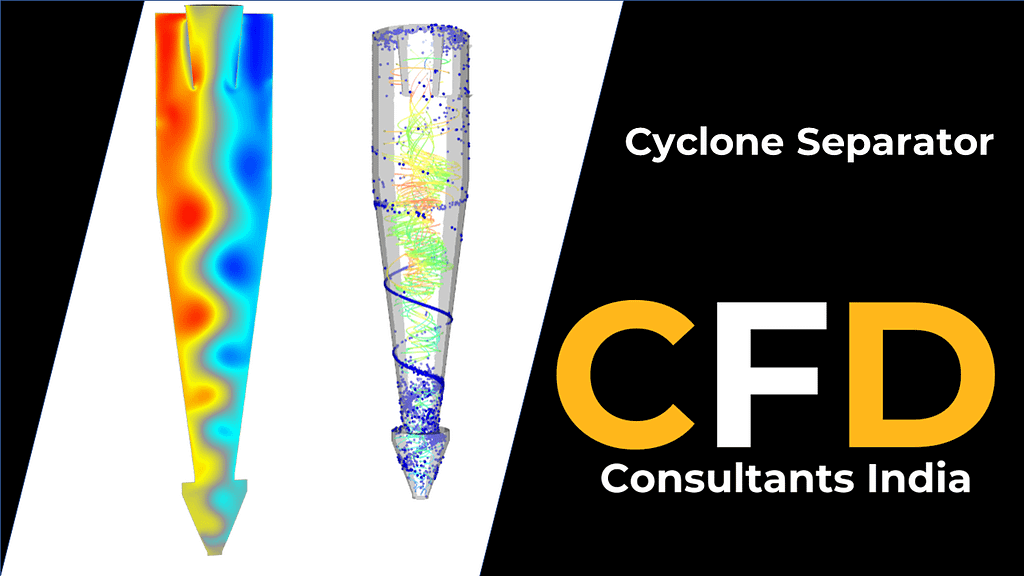
Read out how CFD analysis improves the separation efficiency of cyclone separators. Learn how the study identifies flow patterns, particle trajectories, and proposes design modifications for enhanced performance.
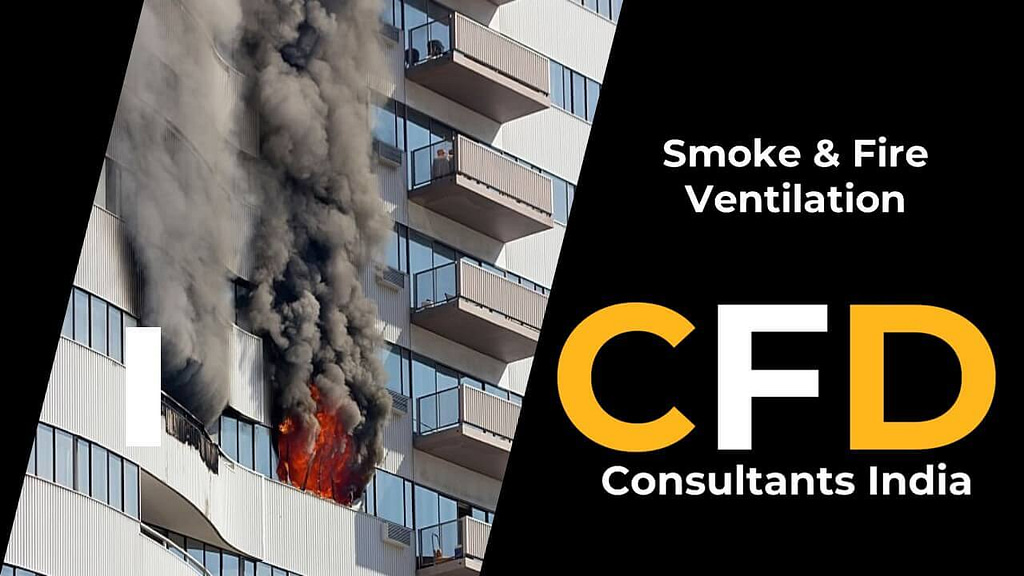
Ensure the safety of occupants, compliance regulations with CFD analysis for fire and smoke ventilation systems in the event of fire & smoke.
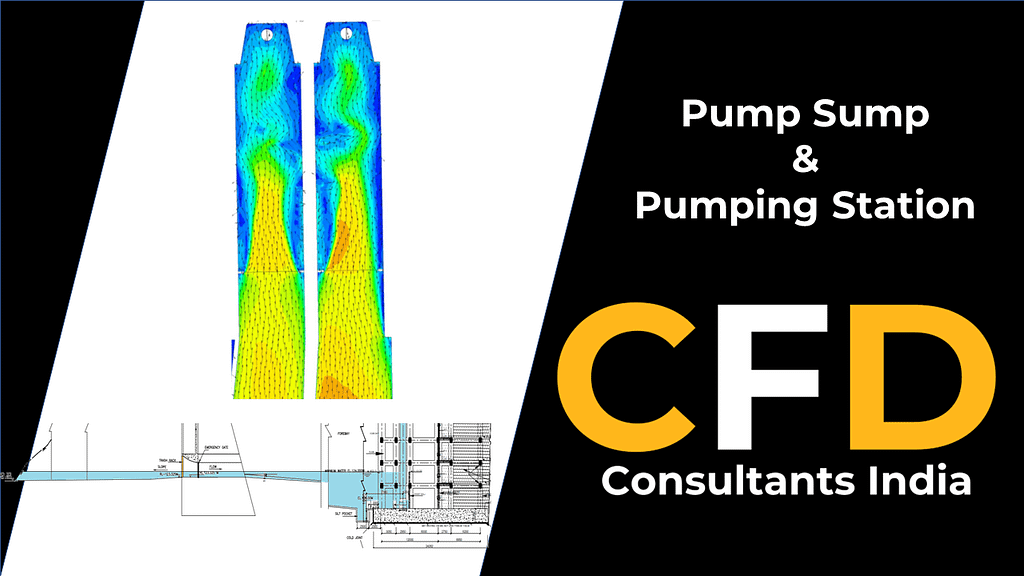
Enhance the performance of your pumping system with CFD analysis of pump sump and pumping station. Discover how to improve flow uniformity, prevent vortex formation, and enhance pump efficiency for optimal operation.
Let's stay in touch!
To get recent updates, stay connect us on our LinkedIn page! Don’t hesitate to reach out to us for any questions, concerns or future collaborations
Contact Us
We are here to help! With just a quick input details we will be able to respond to your inquiry.
E-Mail: info(at)cfdconsultantsindia.com

CFD Consultants India a leading provider of CFD simulation consultation and services. We use finite volume computation technique to predict the flow behavior using various commercial CFD software’s. At CFD Consultants India, we understand the importance of accurate and reliable CFD simulations in the design and development process. With years of experience and expertise in the field, we offer customized solutions to meet your specific requirements and help you achieve your goals.
Whether you are looking to optimize your product design, improve performance, reduce costs, or enhance safety, CFD Consultants India can help. Contact us today to learn more about our services and how we can help you achieve your goals.
© Copyright CFD Consultants India 2023 | All rights reserved.